
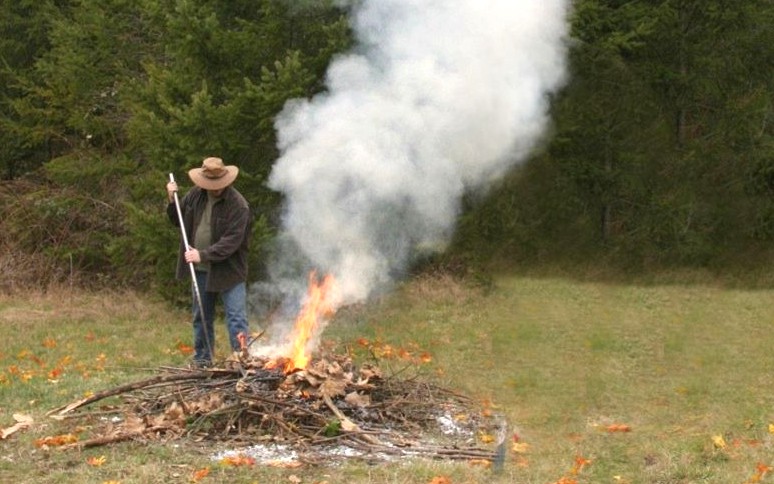
A garden bonfire is not a general permission to burn rubbish. Waste disposal must not cause pollution or harm health, and smoke can lead to council action or endanger road users. This guide focuses on England, explains the distinction between bonfires and smoke-control rules, and sets out safer alternatives. Check your council's advice and the rules for your nation before burning.
Is it legal to burn rubbish in your garden?
England has no blanket ban on garden bonfires, but pollution, health, nuisance and other applicable restrictions still matter. GOV.UK's bonfire rules explain these limits. Composting, garden-waste collection or recycling usually avoids both the fire risk and the smoke. A neighbour's agreement does not override the rules.
Garden waste versus household rubbish
Garden cuttings can often be composted or collected instead of burned. Household rubbish, plastics, treated wood, electrical items and batteries should go through suitable waste services. Dry plant material can still produce harmful smoke: describing something as natural does not make burning it harmless or automatically lawful.
Smoke control areas and local by-laws
A smoke control area does not itself ban a garden bonfire. GOV.UK explicitly distinguishes garden bonfires from chimney smoke rules. Bonfires remain subject to pollution and nuisance requirements. Check any separate local restrictions with your council; chimney and outdoor-appliance rules may also be relevant to what you are using.
The laws governing garden bonfires
Environmental protection and clean-air rules address different activities. The following explanation concerns domestic garden bonfires in England; business waste and rules elsewhere in the UK need separate consideration.
Environmental Protection Act 1990
The Environmental Protection Act 1990 provides the framework for waste controls and statutory nuisance. Burning waste must not cause pollution or harm health. For smoke complaints, Defra's guidance explains the council's assessment and enforcement duties.
Clean Air Act 1993
The Clean Air Act 1993 includes chimney emissions, smoke-control areas and separate controls on dark smoke from industrial or trade premises. Those provisions should not be read as a blanket ban on open domestic garden bonfires. The government smoke-control guidance makes the distinction clear.
Statutory nuisance and enforcement
Smoke can be a statutory nuisance if it substantially and unreasonably interferes with use of a home or other premises, or harms or is likely to harm health. Councils assess the circumstances, including duration, frequency and impact. When satisfied that a nuisance exists or is likely to occur or recur, the council must serve an abatement notice. There is no guaranteed allowance for an occasional fire.
Smoke, pollution and public health risks
Smoke can affect people with breathing conditions and reduce road visibility. Plastics, rubber and treated materials can add harmful emissions. The most effective way to avoid bonfire smoke is to use composting or appropriate waste services. London Fire Brigade recommends considering alternatives to burning.
What you can and cannot burn
The material is only part of the issue: even garden vegetation can create a nuisance or unsafe fire. This table identifies disposal choices, not a list of items legally approved for burning. Ask the council which facilities accept each waste type.
| Compost, collect or recycle where accepted | Keep off a bonfire |
|---|---|
| Dry leaves and grass clippings | Plastic materials and containers |
| Tree branches and twigs | Rubber items and tyres |
| Hedge trimmings | Treated or painted wood |
| Clean, untreated timber | Household rubbish and food waste |
| Plain paper and cardboard | Textiles and electrical items |
Follow your council's acceptance rules for treated timber, electrical items and other household waste. Business or trade waste needs an appropriate authorised disposal route and may not be accepted at a household recycling centre. If hiring a collector, check their waste-carrier registration and where the waste will go.
How to burn garden waste safely
Avoid burning if safe separation, supervision or smoke control cannot be maintained. If a bonfire is permitted and you proceed, follow fire-service precautions and be ready to stop. An incinerator bin does not remove the risk or exempt you from nuisance rules.
- Avoid windy conditions, very dry vegetation and periods of heightened wildfire risk; check local fire-service advice.
- Choose a site well clear of buildings, sheds, fences, trees and other combustible material; there is no universal safe clearance for every fire.
- Keep water or a hosepipe nearby in case the fire needs to be put out quickly.
- Check the pile for wildlife and keep children and pets away. Never use petrol, paraffin or similar liquids to light or revive the fire.
- Light the fire gradually and keep it small — do not create a large blaze.
- Never leave a fire unattended, even for a short period, and make sure it is fully out before you go indoors.
Minimising smoke and protecting neighbours
A particular time of day does not make smoke lawful or safe. Local restrictions may apply, and smoke must not create a nuisance or traffic danger. If you cannot keep smoke away from people and roads, use a disposal alternative.
- Do not burn damp or green vegetation; it produces more smoke. Compost it or use a collection service.
- Position the fire away from washing lines, open windows and air vents.
- Check the wind and surrounding conditions; stop if smoke or embers could affect neighbours or road users.
- Let neighbours know in advance, and avoid peak garden-use times such as weekend afternoons.
- Stop immediately if the smoke becomes a problem or starts drifting towards homes.
Greener alternatives to burning
Before lighting a fire at all, it is worth weighing up the alternatives — most of which are safer, cleaner and just as convenient.
- Composting can turn suitable garden cuttings into useful compost without creating bonfire smoke.
- Council garden-waste collection may be available. Check your council's current charges, schedule and accepted materials.
- Household waste recycling centres accept specified materials. Check booking, vehicle and waste restrictions before travelling.
- Registered waste carriers can remove larger quantities. Check registration, obtain disposal information and compare current quotes.
Complaints, abatement notices and fines
Councils investigate smoke complaints and can require a nuisance to stop. In England, an abatement notice can normally be appealed to the magistrates' court within 21 days; comply with its requirements unless the applicable legal process provides otherwise. Breaching a notice can lead to prosecution and a fine. Government guidance explains notices and appeals. Smoke that endangers road traffic can also lead to a fine. Penalties depend on the offence and circumstances.
Frequently asked questions
Is it legal to burn waste in a residential garden?
There is no blanket ban on domestic garden bonfires in England, but burning must not cause pollution, harm health, create a statutory nuisance or endanger traffic. Check any additional local restrictions and consider composting or collection first.
What garden waste can I burn at home?
Compost or arrange collection of garden cuttings where possible. If burning is lawful and safe, dry plant material produces less smoke than wet vegetation, but it can still cause a nuisance. Do not use a bonfire to dispose of household rubbish, treated wood, plastics, batteries or electrical items.
Are there local council rules I need to check?
Yes. Ask about local restrictions and disposal services. A smoke-control-area designation alone does not prohibit a garden bonfire; chimney smoke rules and bonfire nuisance rules are different.
Can burning garden waste lead to fines?
Yes. Pollution offences, breach of an abatement notice and smoke that endangers traffic can result in enforcement or fines. There is no single fine that applies to every garden bonfire.
What environmental factors should I consider?
Consider neighbours' health, smoke reaching homes or roads, wind, dry vegetation and the risk of fire spreading. Composting and appropriate recycling avoid bonfire emissions and the risk of an open fire.
What are the best alternatives to burning?
Composting, council garden-waste collections, suitable recycling centres and registered waste carriers are alternatives. Confirm accepted materials and arrangements with the provider.
Understanding fire risk at home is the first step — make sure your workplace is covered too.
Explore the Fire Warden / Fire Marshal Course →Sources & references
- GOV.UK: garden bonfire rules
- GOV.UK: smoke-control areas and garden bonfires
- Defra: nuisance smoke and council enforcement
- London Fire Brigade — Bonfire precautions and alternatives
- GOV.UK — Statutory nuisance notices, enforcement and appeals

Mark writes about workplace fire safety, compliance and online training for Fire Marshal Training, part of Online CPD Academy.